Discovering the Heart of the Andes: A Guide to the Festivals and Traditions of Mejía
Welcome to Mejía, often called the "Valley of the 9 Volcanoes," a truly captivating region in the Ecuadorian Andes, south of Quito. Known for its stunning landscapes, rich agricultural heritage, and the spirit of the chagra (the Andean cowboy), Mejía offers a calendar packed with unique and memorable events. To help you plan your perfect visit, here is an in-depth guide to its most important annual celebrations.
🐂 Adrenaline and Tradition: The Running of the Bulls in Mejía
|
Event
|
Toros en las calles de Mejía (Running of the Bulls)
|
|
Date
|
Second week of January
|
|
Location
|
Machachi (Main Avenue “Amazonas”)
|
|
Why You Should Go
|
This is a thrilling, localized version of the famous Pamplona run in Spain, set against a stunning Andean backdrop.
|
From the high plateau of the Pedregal Valley, the semi-wild bulls are expertly herded down to the town of Machachi. They are then released to run down several blocks of the city’s main thoroughfare, Avenida Amazonas.
This event is not for the faint of heart! Brave and daring adventurers take to the streets to run directly in front of the charging cattle. Visitors can witness the excitement from designated safe zones, soaking in the high-energy atmosphere. Beyond the run, the week includes traditional bullfighting events and, importantly, a chance to indulge in the local gastronomy that the valley is famous for—a perfect start to the year.
🎉 Colour and Joy: Mejía's Carnaval Celebration
|
Event
|
Carnaval in Mejía and its Parishes
|
|
Date
|
Last Saturday of Carnaval (varies, usually February or March)
|
|
Location
|
Machachi and surrounding parishes (e.g., Cutuglagua)
|
|
Highlight
|
The dazzling parade and the unique cultural focus in smaller towns.
|
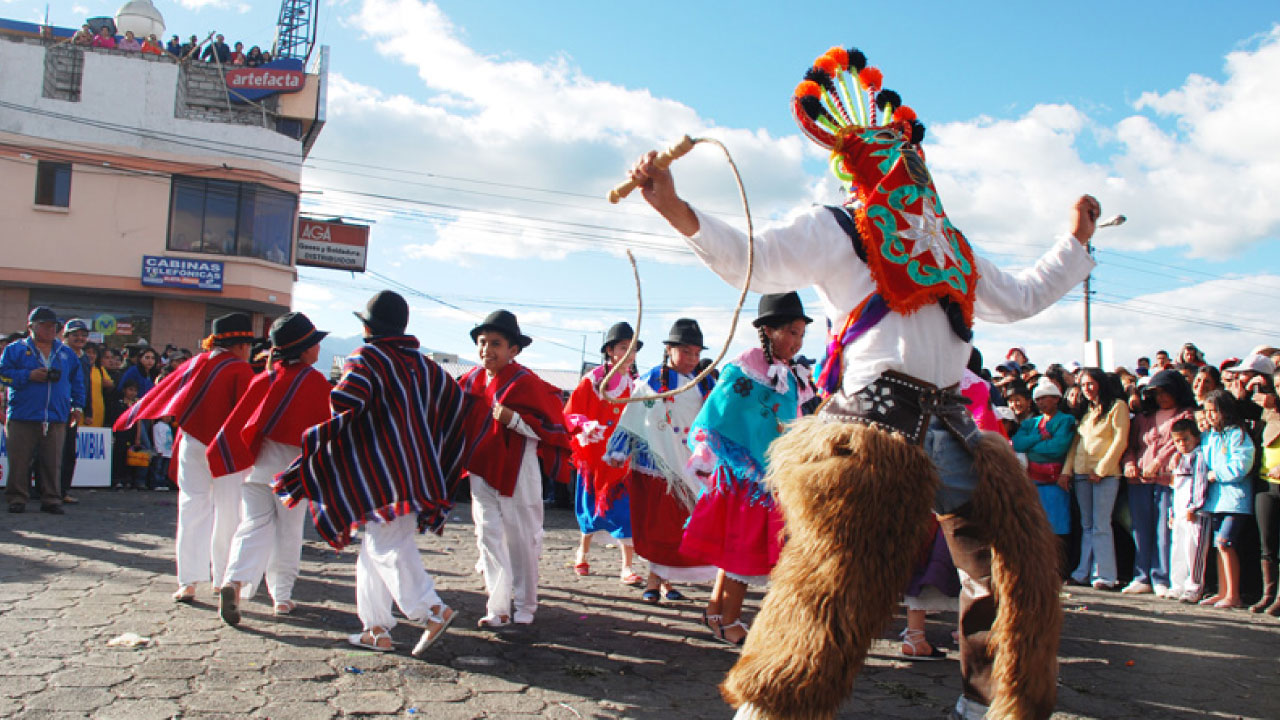
Mejía embraces the national spirit of Carnaval with a local flair. The main event is a colorful, festive parade held on the Saturday before Ash Wednesday. The spectacle features:
● Comparsas (Troupes): Groups of dancers and performers in elaborate costumes.
● Dances: Traditional and modern dances that fill the streets with rhythm.
● Floats (Carrozas): Creative, often humorous, displays built by local communities.
The parade culminates in a final artistic event—a massive party that brings together locals and visitors to celebrate this cherished national holiday in the "Valley of the 9 Volcanoes."
Traveler Tip: While Machachi hosts the largest event, the surrounding parishes also program full agendas. Cutuglagua Parish is especially renowned for its outstanding cultural programming during this season. Explore the smaller towns for a more intimate, unique cultural experience!
🤠 Celebrating the Spirit of the Andes: The Paseo Procesional de la Chagra
|
Event
|
Paseo Procesional de la Chagra (The Chagra’s Processional Ride)
|
|
Date
|
Third Saturday of July
|
|
Location
|
Machachi
|
|
Significance
|
One of the most important cultural events in Ecuador, celebrating the Andean cowboy.
|
The Paseo Procesional de la Chagra is the undisputed cultural cornerstone of Mejía. Held for nearly four decades, this event pays homage to the spirit, resilience, and history of the local cowboys (chagras). The ride's origins are rooted in three major historical events: the 1877 eruption of the Cotopaxi Volcano, the cantonization of Mejía, and the feast of the Apostle Santiago (St. James), the patron saint of Machachi.
On the third Saturday of July, hundreds of chagras gather, meticulously outfitted with their best riding gear, traditional clothing, and magnificent horses.
What to Expect:
● Spectacular Horsemen: Witness expert horsemanship and the elegant display of the chagra's skills.
● Traditional Dress: Admire the traditional attire, including ponchos, leather chaps, and wide-brimmed hats.
● Cultural Immersion: This event offers a profound look into the agricultural and equestrian heart of the Ecuadorian Andes.
This event is an absolute must-see for anyone seeking an authentic glimpse into Ecuadorian highlander culture.
🇪🇨 Honor and Patriotism: Fiestas de la Independencia de Machachi
|
Event
|
Fiestas de la Independencia de Machachi (Machachi Independence Celebrations)
|
|
Date
|
November 11th and surrounding days
|
|
Location
|
Machachi
|
|
Focus
|
Remembering the heroes of independence and community spirit.
|
November is a time for patriotic celebration as Mejía commemorates the Independence of Machachi. The entire month features a variety of activities that honor the Mejían heroes who fought for their town's freedom.
Visitors can enjoy:
● The Civil-Military Parade: A formal, large-scale parade featuring military units, students, and community groups.
● Cultural Activities: Theatrical performances and student art festivals showcasing local talent.
● Athletic and Traditional Competitions: Events that bring out the competitive spirit of the community.
● Overall Festivity: The whole town is alight with celebratory energy, offering a deep dive into local civic pride.
🕯️ End-of-Year Merriment: The Tradition of the Año Viejo
The last two days of the year are dedicated to a fascinating Andean tradition designed to symbolically cleanse the past and welcome the future.
|
Event
|
Fiesta del Barrio de Los Álamos & Año Nuevo Contests
|
|
Date
|
December 30th & December 31st
|
|
Location
|
Machachi (especially Los Álamos neighborhood)
|
|
Custom
|
The creation and burning of Años Viejos (Old Year effigies).
|
December 30th: Fiesta del Barrio de Los Álamos
The Los Álamos neighborhood organizes its annual "Años Viejos" parade. This is a lively and humorous event where effigies—often large, elaborate dolls made of paper, sawdust, and fabric—are paraded. These dolls are constructed to represent the major events, political figures, or cultural trends of the past year. It’s a moment for the community to reflect on, and often satirize, the year's big moments before symbolically burning them.
December 31st: Año Nuevo (New Year’s Eve)
The culmination of the tradition is the "Años Viejos" Contest. Mejía residents gather to display their most imaginative and creative effigies. In the streets, people often set up small scenes or "widows" mourning the passing year, soliciting spare change for the funeral.
The grand finale: At midnight, these effigies are burned, symbolizing the burning away of the old year’s troubles and the welcoming of a prosperous new one. Be prepared for a festive and fiery New Year's Eve!
Would you like a suggested itinerary for visiting Mejía that focuses on one of these specific festivals, such as the famous Paseo Procesional de la Chagra in July?


 José Mejía E-50 y Bolívar
(Frente al Parque Central de Machachi)
Phone: 381 9250 Ext. 162
José Mejía E-50 y Bolívar
(Frente al Parque Central de Machachi)
Phone: 381 9250 Ext. 162